Monday, April 23, 2018

Now, about my title


After our Spring Break, we hit a very challenging time of the year.  

We have the dreaded STAAR tests, along with EOC testing for our brightest students.  As I write this, we are in between rounds of testing.  We now have 6 weeks of school remaining, and this is where we find it best to schedule our most engaging activities.

So, here is why you shouldn't dislike Texas History.

Cotton, Cattle, and Conflict.
Post Civil War Texas provided yet another era of opportunity for those brave enough to take on the challenges.  Land was plentiful and cheap,  Native Texas attacks were also plentiful, and very costly. The open range was filled with longhorn cattle, practically free for the taking.  So, claim your land, hire some ornery cowboys, and start finding cattle to take to market.  Selling cattle at market is like tapping into America's demand for beef.  
And then, there's cotton.  Dry land farming provides yet more opportunity to make a living tapping into America's new found love for cotton clothing.  Just survive the various cycles in the weather and don't produce too much or the price goes down when supply outstrips demand.  Basic economics 101.

Galveston 1900
The deadliest natural disaster in American history wiped out the Wall Street of the West.  Galveston was the up and coming financial capital on the new frontier.  Problem was they placed it on a low-lying barrier island with only limited access to the mainland.  Combine that with the emerging science now known as Meteorology, and it all spells disaster.  6,000 people killed as the entire island was completely inundated by a Category 5 hurricane.  This was an entirely preventable loss of life for many reasons.  Try not to be affected by the destruction of the island orphanage.
The new fangled contraption called the movie camera brings a whole new angle to History.  Just as people saw war in new ways thanks to Matthew Brady, so will they experience the Galveston Hurricane thanks to one Thomas Edison.

Wings
Did you know the first film to win the Best Picture Oscar was filmed right here in San Antonio?  It is a fascinating movie about the first battles fought in the sky.  Fair warning:  this film actually has some risque moments.

The Grapes of Wrath
Combine bad luck with even more bad luck, and probably throw in some bad luck for good measure and what do you get?  The hardest of hard times.  It was a perfect storm for Texans on the High Plains:  drought and over farming; a stock market collapse amid post war trauma.  Surely, the great American Dream was alive and well.  You just had to survive the Dust Bowl.  What we have here is a bit of science coupled with sheer bad luck and economic turmoil.  It was not the best time to be alive, but I have relatives who not only survived it, but simply wouldn't be the amazingly awesome aunts and uncles they are today.  They know they can survive anything.  And, by the way, don't ever let anyone from the Great Depression ever see you throw anything away.  

So, there you have it.  Time permitting, we have to teach about World War II and Civil Rights and Economics and Government.  

Choose wisely.

Peace

"The nation which destroys its soil, destroys itself"
-Franklin Delano Roosevelt


Friday, March 9, 2018

Civil War Menu


I had a lot of fun setting this up. I kept the art work to a minimum since we just finished a project about the causes of the Civil War.
I made a poster of this rubric, and then made small copies for my students to use as a cover page for their chosen projects.
Tic-Tac-Toe
Pick 3 in a row and complete.
Should Texas Secede?
See the source image
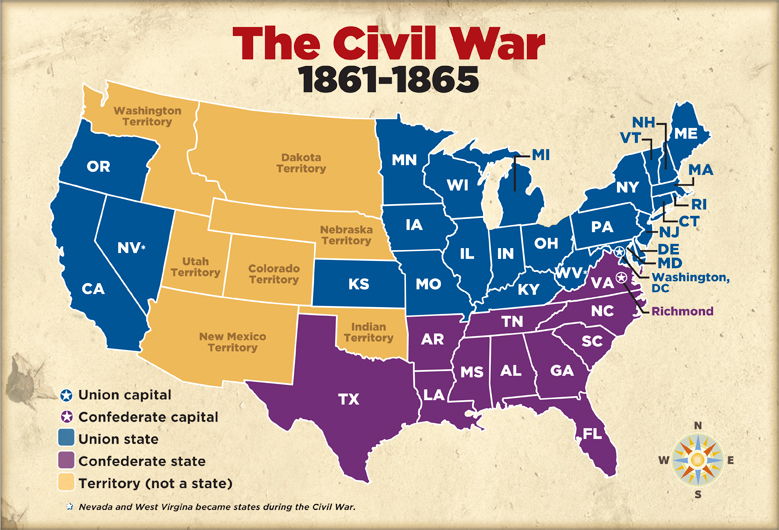
Map of the Civil War


See the source image
Create a timeline of Civil War battles and events.


See the source image
It’s All Wrong


See the source image
Newspaper article:  Texas Secedes!!!
Or
Civil War Battles handout

This one is required.
Create a Civil War crossword puzzle or word search

See the source image
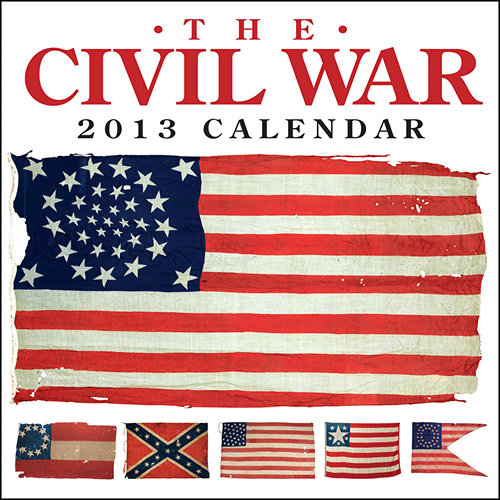
Civil War calendar

See the source image
Famous Last Words

See the source image
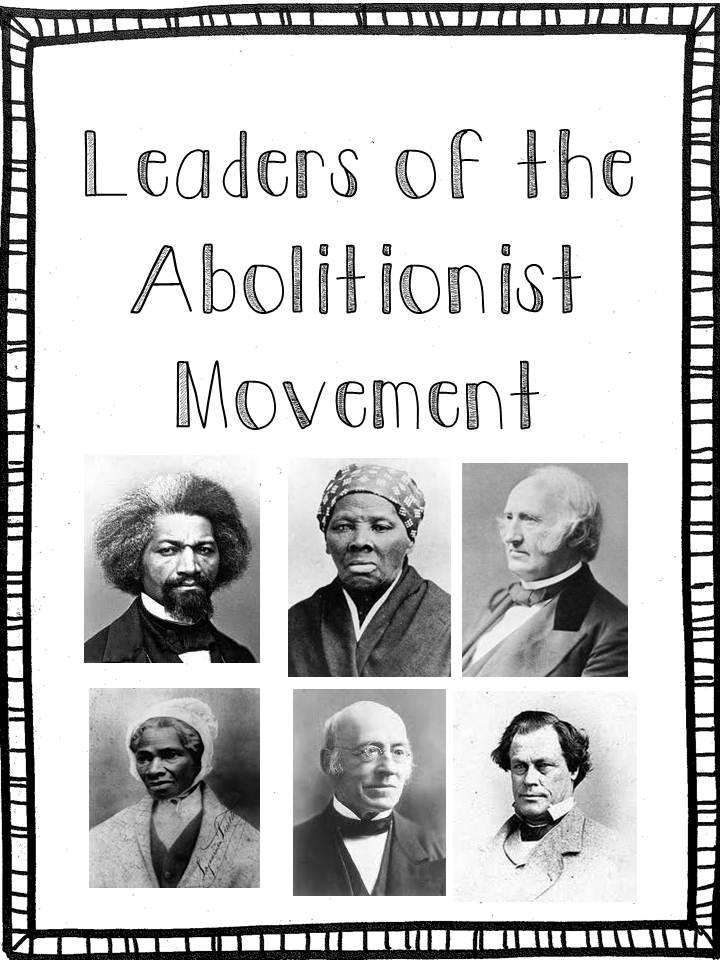
Abolitionist Hall of Fame

See the source image

How much are my students learning from a project?   


Well, let's find out.

I created a Civil War Tic-Tac-Toe menu.  Since we just got done with an art project about the causes of the war, I left major art work off this menu.  

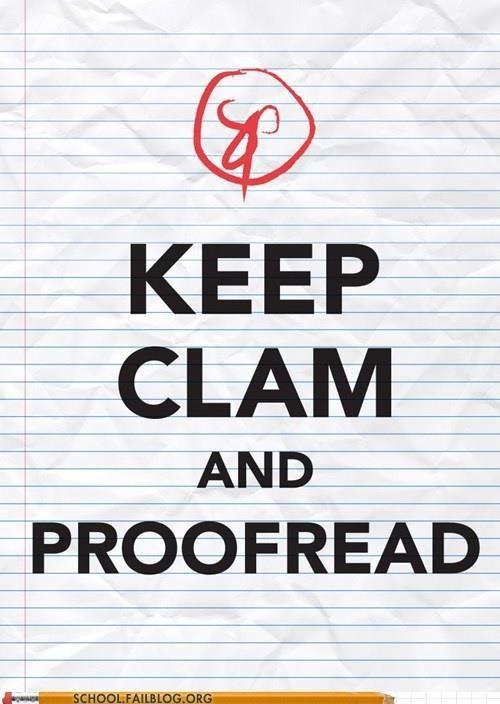
Students had the choice of creating a map of the Civil War, a newspaper article about Secession, a medal to honor an Abolitionist, or a timeline of events.  They could also choose to proofread a statement about Missouri Statehood, or could consider what their last words would say about themselves.

I thought I created a bunch of fun activities with instructions to match.  Aside from the word search they could create, or the timeline, everything else was brand new.

Then, a TeachThought email appeared one day last week, and turned my thinking upside down.  What were they learning, I mean, actually learning?  And how do they demonstrate it?

For me, it was a simple fix.  Assign a mandatory, and short, essay.  In it, the student will describe what they learned from the projects they chose.  While many students will protest the writing element, I didn't place a minimum length on this.  Some wrote full page explanations, some wrote half a page.

The expectations were the same:
Paragraph 1 - tell me which projects you chose
Paragraphs 2-4 - describe each project
Paragraph 5 - Conclusion.

Keeping the essay as simple as possible is key here.  Some students naturally describe their work, while other struggle to explain what they learned.

No matter, I'll keep looking for ways for my students to explain their learning.

Thursday, February 1, 2018

TEXT 383-387


True story.

My students are creating anchor charts about the Mexican-American War.  On their chart, they are listing the causes, events, and conditions for peace.  In chalk.  We are off to a good start, and my artistic students get to shine as they are required to put an illustration about Manifest Destiny on the poster.

For the chart itself, I have the students reference the textbook.  All the information they need is located on pages 383-387.

A student came to me and asked, "Do we have to use those numbers?"

"Well, yes" I said.  "Those are the pages in the book where you will find the information necessary to complete your chart."

"Oh."  She said. " We thought we were creating a text message to send to that number."

Hmmmm, I thought to myself, as she walked away.

And then, I walked up to my directions on the screen and made the necessary changes to ensure my students won't start sending text messages to part unknown.  I care not to ponder the possible ramifications.

Best wishes and,

Peace.

"Life is about using the whole box of crayons."  - Anonymous

Monday, January 8, 2018

Connecting using one of the major food groups


Image result for dum dum


Today, I divided up dum-dums and let my students pick one.  Those students picking the 'mystery flavor' dum-dum were executed.  Oh, the horror on their faces was palpable when they realized the consequences.

While the dum-dum's were quite real, no one was executed.  We merely illustrated the results of the Mier Expedition into Mexico in 1842.  Texan soldiers captured after an attack on Mier were imprisoned, then marched in single file to choose a bean from a bag.  Those choosing black were executed.  1 in 10 met  their untimely demise at random, and by order of Santa Anna.  Survivors enjoyed a year in a Mexican jail, then were released in 1844.

I've been trying to find balance with my classes.  We scored rather low on our district benchmark, and we need to find the proper balance to improve our scores.  Candy isn't the answer, but excitement for our work can, and should be. 

Perhaps, I can tap into some of my students inner competitive spirit to achieve better.  I don't judge my students by their scores.  But, I can change for the better because I need to improve as well.

Peace

"Gone are the days when a quiet classroom was equated with a good one."
- Douglas Fisher and Nancy Frey


Monday, November 27, 2017

How do you view your world?


I came upon an interesting question the other day.  Actually, it was more of an answer.

The question:  How do you view your world?

The answer I read is almost impossible to explain without plagiarizing.

Basically, the choices we make in viewing our world ultimately determines our history.  Moreover, we have become a society based upon what we see.  While that's fine, we often forget that those visuals are imperfect in that they only capture so much of the story.  So, we store those visuals in our memory, and then forget the history of it.  Worse yet, when we access those same visuals, the story changes.

Seriously, it took me almost a week to process this.  In a society of soundbites and visual overload, this presents a very strange dilemma for our future.

How will the next generations remember us?  Will they remember the actual story, or just some representation of us in a picture.  

Therefore, we must choose the lens through which we watch our world very carefully.  Conversely, we might consider that very same lens which points at us.  Does it capture your history?  What will people say, or think, when they see your history?  Will it be a mere social media timeline?  What do you want to say about yourself?

Peace

"Look and think before opening the shutter.  The heart and mind are the true lens of the camera."
-Yousuf Karsh


Saturday, November 11, 2017

A Challenge


It's that time in the school year to challenge myself.  For my students, I need to do better.


Warning to parents:  this may not be what you expect to read from a teacher.


I have some students I just don't like.  And, that's not fair to them.  I must do better.


Steps I have to take:


1.  Meet them somewhere on their own terms in class.  I can adjust my routine to better meet the needs of these students.


2.  Find out what they are able to produce for my class.  Some students just don't want to read and write.  While I can't eliminate those altogether, I can modify assignments to make it less of a daunting task.


3.  Find out what they want to produce for my class.  Perhaps, they are happy making timelines of information.  Maybe they don't mind our academic vocabulary sheets but don't like the illustration part.  I can modify that.


4.  Talk to them everyday.  Don't use sarcasm or anger.  Keep calm and don't be afraid to come back the next day after cooling down overnight.


5.  Finally, keep in mind I wasn't the perfect student, especially in middle school.


I made some great friends in middle school, and I have really fond memories of Stephen Foster Intermediate in Alexandria, VA.  However, I wasn't the perfect student despite my parents best attempts to keep me on track.


I forgot assignments.  I disrespected my teachers, even Mr. Hoppe who taught the best History class I ever had.  I was not the star athlete.  I couldn't remember the football playbook to save my life.  I still can't shoot a basketball.  I took 12 years of tennis lessons, but couldn't make the high school team.  I loved to run cross country, but it took me 4 years to break a 5 minute mile.


In other words, I was constantly in my own way.  It is just what kids do.


I didn't always challenge myself to be the best 7th grader I could be.  However, I can certainly challenge myself to be the best teacher I can be.


And maybe, just maybe, I'll make my 7th graders even better for it.


Peace


"Don't underestimate the power of small steps to build a great future."
Jocelyn Soriano

January 2021

 Since my last entry, much has happened.  Nothing I type here should obscure the fact an additional 200,000 Americans have been killed by Co...